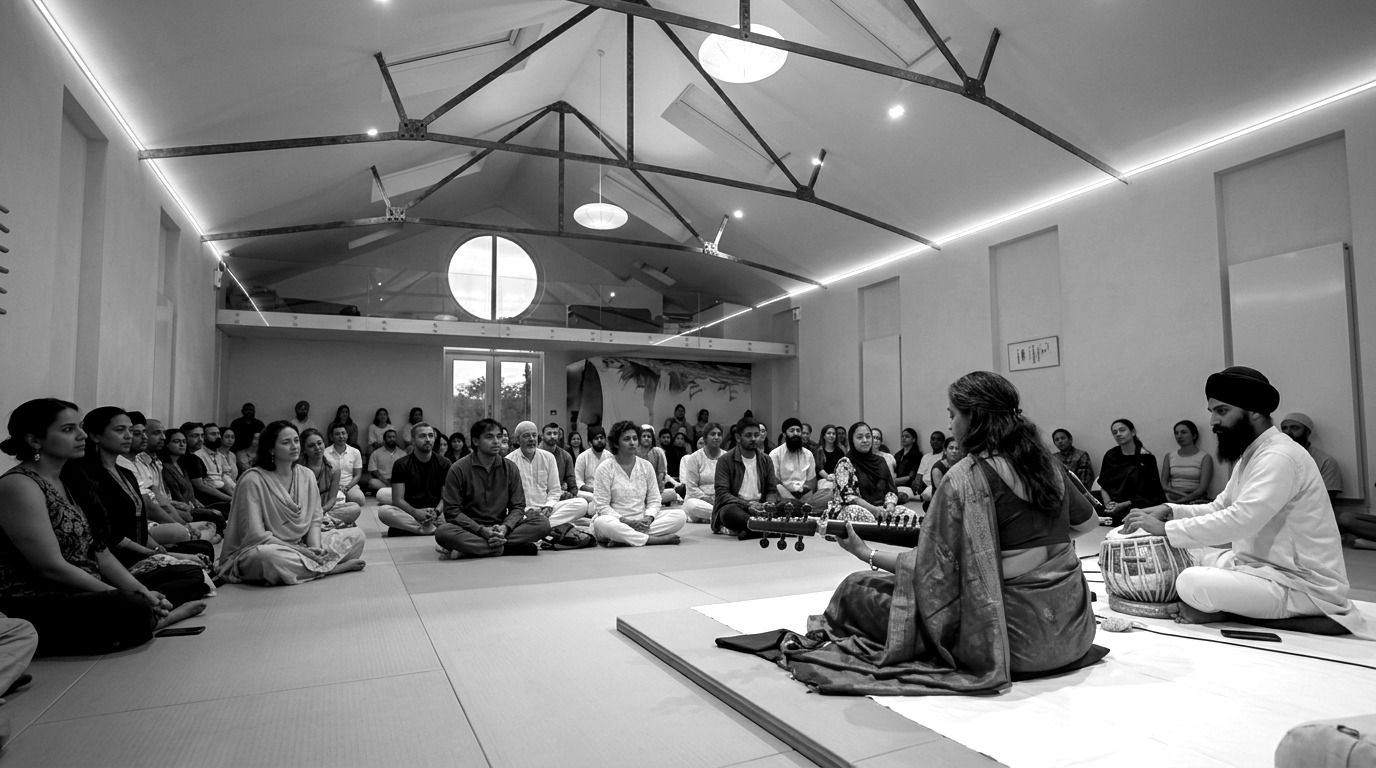

Black and white view across the Dojo hall: the sarod player and tabla player seated at the front, with the audience seated on the floor around them
Meeting Rivers

BAITAKH
at the DOJO

28 NOVEMBER 2026 · 7–9 PM

THE DOJO · 2A DOYLE GARDENS
LONDON NW10 3DA

£30 PP · 90 SEATS ONLY

Artists

DEBASMITA BHATTACHARYA (SAROD)GURDAIN RAYATT (TABLA)

The Artists

IN SESSION

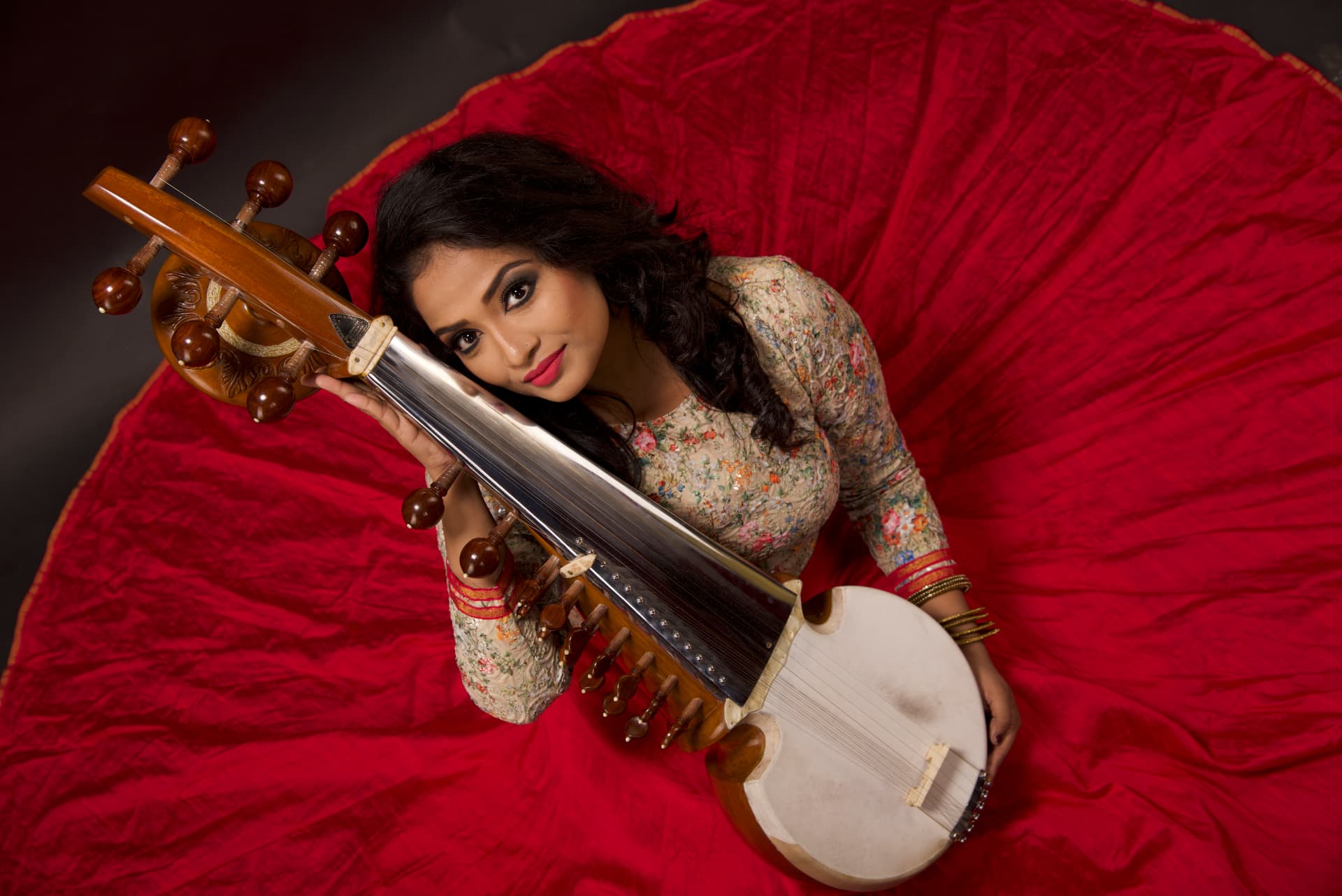
Debasmita Bhattacharya performing sarod

Sarod

Debasmita Bhattacharya

Debasmita Bhattacharya is a virtuoso sarod player of the Senia Shahjahanpur Gharana, known for the depth, sensitivity and individuality of her musicianship. Rooted in Hindustani classical music, her work extends across musical worlds, encompassing solo performance, collaborations and cross-cultural projects across India, Europe, North America and the Middle East. Her music remains deeply grounded in tradition while embracing new artistic possibilities for the sarod.
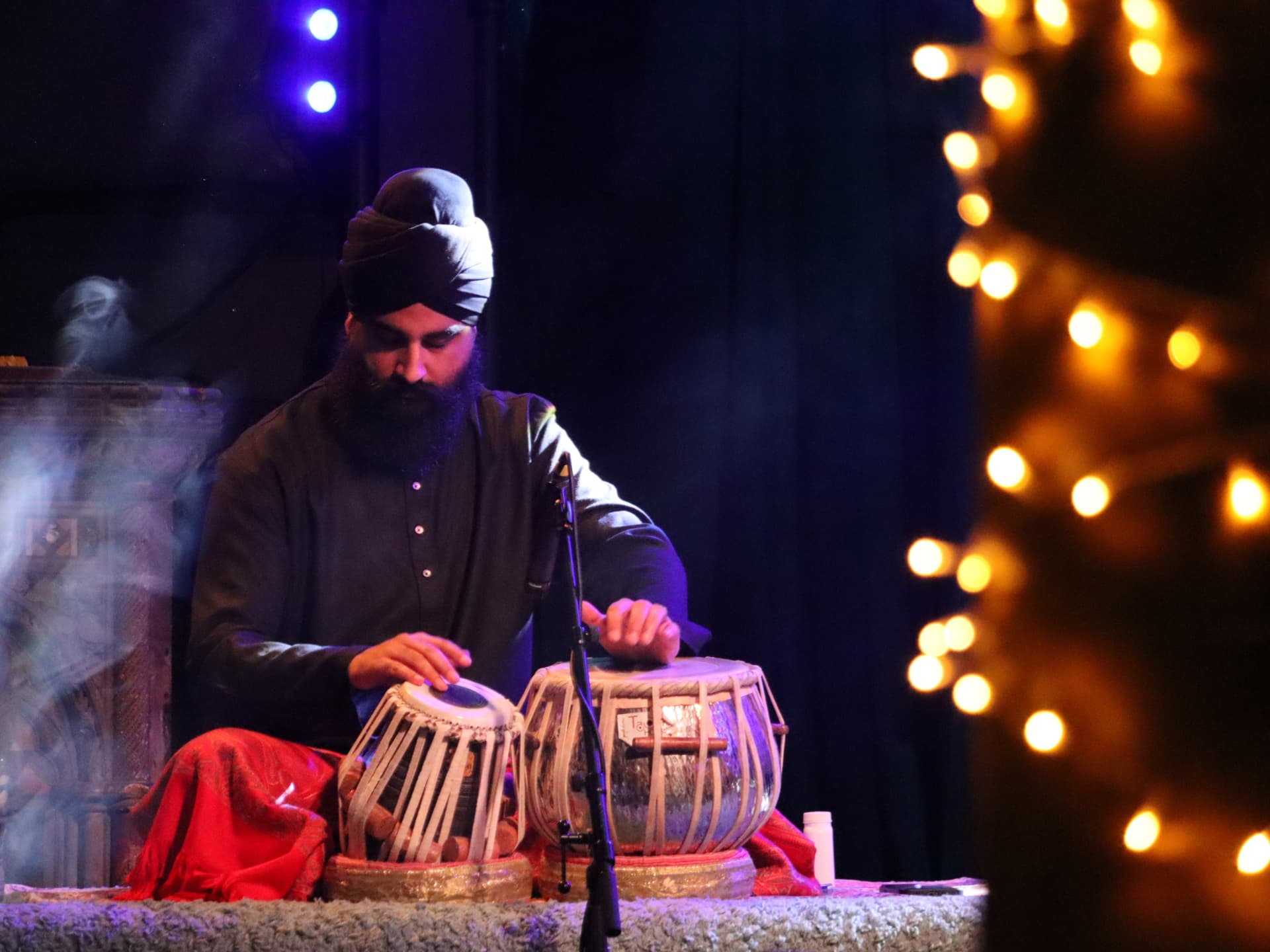
Gurdain Rayatt performing tabla

Tabla

Gurdain Rayatt

Gurdain Rayatt is regarded as one of the leading tabla players in the UK and is a disciple of Pandit Yogesh Samsi, having earlier received taleem from Pandit Shankar Ghosh and his father, Ustad Harkirat Rayatt. He has been fortunate to accompany distinguished artists including Pandit Birju Maharaj, Ustad Amjad Ali Khan and Ustad Shahid Parvez to name a few. Gurdain has performed at prestigious platforms including the Royal Albert Hall, Darbar Festival, WOMAD and the Harivallabh Sangeet Sammelan, alongside an active career as a performer and teacher in the UK and internationally.

The Series / Vol. 02

ABOUT THE BAITHAK

A baithak (meaning “a sitting”) is an intimate gathering rooted in the North Indian classical tradition, where musicians and listeners come together in close proximity. It is a format defined by unhurried attention, where the music unfolds in real time between performer and audience rather than being delivered at them.

Who we are

MEETING RIVERS

Meeting Rivers is a curatorial platform celebrating South Asian classical arts, with a particular depth in Hindustani music. The throughline is connection: between people, cultures, and stories, and between an audience and an artist's life and work. Founded in 2015, it brings together live events, editorial, and audio to create spaces for deep listening and genuine encounter with the tradition.